Vector Awareness Guide

Understanding disease vectors

Vectors are living organisms that carry pathogens between hosts. In the United States, mosquitoes and ticks are the vectors most frequently covered in public health education. This guide explains what vectors are, where exposure commonly occurs, and how prevention awareness works.

Explore the guide Exposure and prevention awareness
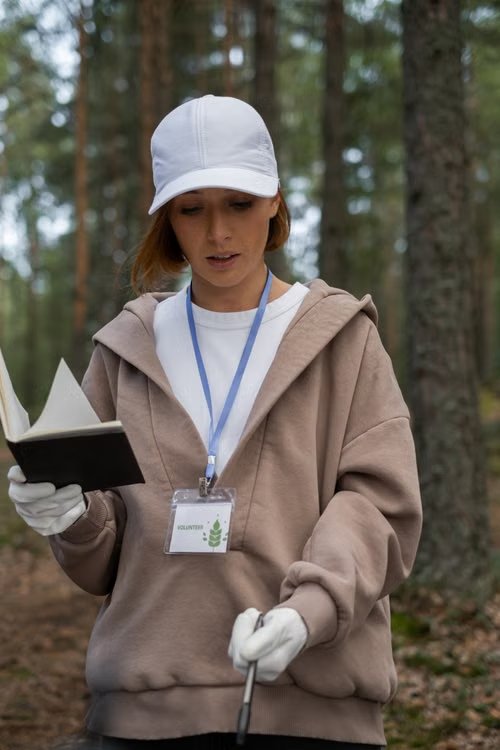
Field research setting used to study vector activity and habitat
Field Awareness

Habitat, season and regional context matter

01

What is a disease vector?

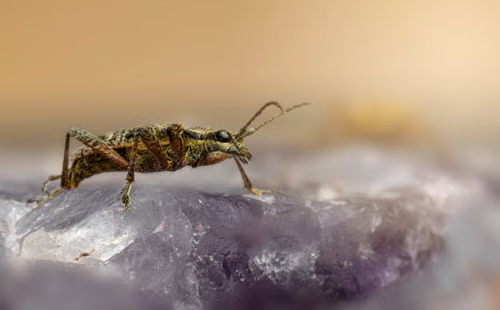
A vector is an organism, most often an insect or arachnid, that can transmit a pathogen from one host to another without necessarily becoming ill itself. Mosquitoes, ticks, and fleas are the vectors most commonly discussed in U.S. public health materials. Vector biology, including feeding habits and habitat preferences, determines when and where exposure is more likely.
02

Why vector awareness matters

Vector-related health risks are strongly tied to season, climate, and local habitat. Understanding these patterns helps communities and individuals plan reasonable precautions, such as reducing standing water or checking for ticks after time outdoors, rather than reacting to a single event.

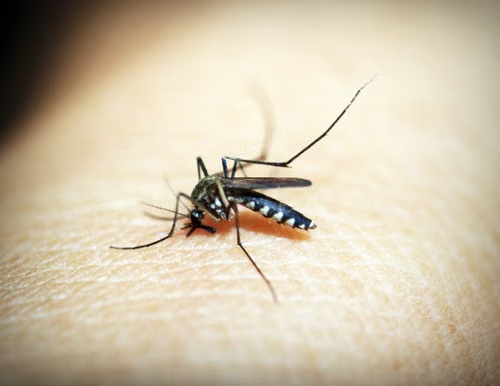
Close-up scientific specimen study of a mosquito
03 · Mosquito Vectors

Mosquitoes

Where exposure may occur

Near standing water, during dawn and dusk hours for many species, and in shaded or humid outdoor areas.

Environmental factors

Warm temperatures and standing water support breeding; activity often increases after rainfall.

General prevention awareness

Removing standing water, using screens on windows, and applying an EPA-registered repellent as directed on the label.

Why regional context matters

Species and activity periods vary by state and climate zone.

When to check public health guidance

Before travel to a region with known elevated vector activity, or when local advisories are issued.

Where exposure may occur

Wooded areas, tall grass, and leaf litter, particularly along trail edges.

Environmental factors

Humidity and vegetation cover support tick survival; activity generally increases in warmer months in many regions.

General prevention awareness

Staying on cleared trails, wearing long sleeves and pants in wooded areas, and checking for ticks after outdoor activity.

Why regional context matters

Tick species and associated risks differ significantly by region of the country.

When to check public health guidance

If a tick bite is followed by a rash, fever, or other symptoms, contact a healthcare professional promptly.

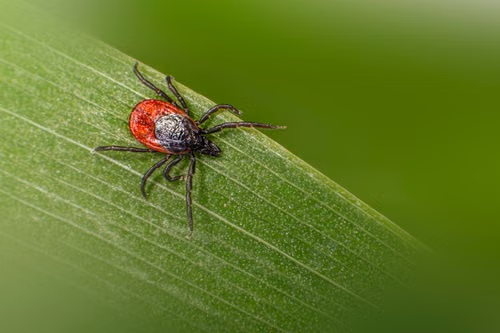
Scientific field study examining tick habitat in grassland
04 · Tick Vectors

Ticks

Educational field research setting related to flea habitat awareness
05 · Flea Awareness

Fleas

Where exposure may occur

Areas with pets or wildlife present, including yards, pet bedding, and some rural environments.

Environmental factors

Warm, humid conditions support flea development; wildlife presence can increase local exposure.

General prevention awareness

Routine pet care, keeping yards trimmed, and reducing contact with wild animals.

Why regional context matters

Flea-related health considerations are more commonly discussed in certain rural and semi-rural settings.

When to check public health guidance

If unusual symptoms follow known exposure to fleas or wildlife.

06

Environmental conditions

Temperature, rainfall, and humidity strongly influence vector habitat and activity. Standing water, dense vegetation, and shaded moisture-retaining areas are commonly cited as conditions that support vector populations.

07

Seasonal factors

Vector activity in most U.S. regions follows a seasonal pattern, generally increasing in warmer months and decreasing with cooler temperatures, though timing varies by climate zone and vector type.

Travel health preparation and reference materials

Travel and vector exposure

Vector-related health risks can differ substantially between regions and countries. Travelers are commonly advised to review destination-specific guidance from official public health sources before departure, particularly for regions with different vector activity than their home area.

Community and personal prevention

Standing Water

Communities often address containers, gutters, and drainage that collect water.

Protective Clothing

Long sleeves and pants are commonly recommended in wooded or tall-grass areas.

Registered Repellents

EPA-registered repellents, used as directed, are a common personal precaution.

Routine Checks

Checking skin and pets after outdoor time helps catch ticks early.

11 · Public Health Monitoring Concepts

How agencies generally monitor vector activity

Public health agencies typically monitor vector populations through field surveillance, habitat mapping, and seasonal trend analysis rather than individual case tracking alone. This helps identify regions and time periods where prevention messaging is most relevant.

GlobalHealthPulses does not operate a live vector map or outbreak alert system. Readers who want current, region-specific vector activity should consult official state or local public health department resources.